3 US Sectors Poised to Outperform in the 2026 Post-Shutdown Recovery
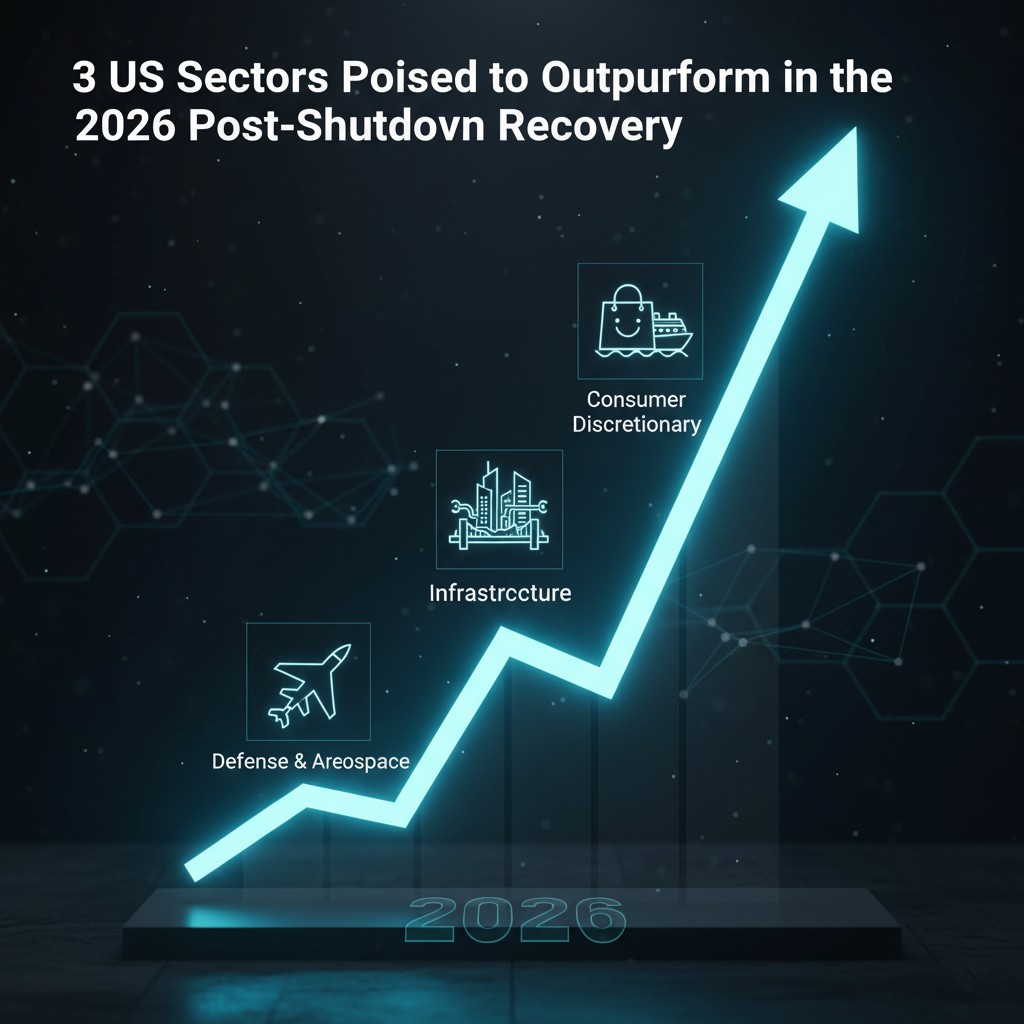
The markets have breathed a collective sigh of relief. With the government shutdown resolved, the immediate uncertainty has lifted, and a sense of normalcy is returning. But for the forward-looking investor, the end of the drama is not a conclusion; it’s a starting pistol. The most critical question is not what the market is doing today, but where the durable opportunities will be in the months ahead. History shows that government shutdowns, while disruptive, create a unique economic pattern: a “coiled spring” effect, where delayed spending and suppressed activity are unleashed back into the economy. This dislocation creates predictable opportunities for those who know where to look. Based on historical precedent and fundamental analysis, here are three sectors poised to outperform in the 2026 recovery.
The “Coiled Spring” Theory of Post-Shutdown Investing
A government shutdown doesn’t destroy economic demand; it merely postpones it. Government agencies still need to procure services, businesses still need to execute on contracts, and consumers, once their confidence returns, are eager to spend. As the Congressional Budget Office has noted in past analyses, while some economic activity is lost forever, much of it is simply shifted into the following quarters. This creates a surge that can disproportionately benefit specific areas of the market. Our post-shutdown investment strategy focuses on identifying the primary recipients of this unleashed capital.
Sector 1: Defense & Aerospace – The Backlog Boom
The Logic: National security is non-discretionary. During a shutdown, new defense contracts are delayed and payments are deferred, but the underlying demand from the Department of Defense and its allies does not vanish. This creates a significant and predictable backlog of orders. Once funding is restored, the floodgates open, and prime contractors see a surge in revenue as they work to catch up. This makes the defense stocks outlook particularly compelling in a post-shutdown environment.
The Key Takeaway: Defense spending is a matter of “when,” not “if.” A shutdown simply concentrates future revenue into a shorter time frame.
Investment Ideas:
- Lockheed Martin (LMT): As the world’s largest defense contractor, LMT is a direct beneficiary of this spending surge. Its massive, long-cycle projects in aeronautics and missile systems make it a cornerstone of the sector.
- iShares U.S. Aerospace & Defense ETF (ITA): For investors seeking broader exposure, the ITA ETF holds a basket of the sector’s most important players, spreading risk while capturing the overall industry trend.
Sector 2: Infrastructure – The Bipartisan Imperative
The Logic: After a period of intense political friction, politicians from both parties often look for common ground to demonstrate they can govern effectively. Infrastructure spending has historically been a rare area of bipartisan agreement. A push for new projects—from roads and bridges to upgrading the electrical grid—can serve as a powerful form of economic stimulus and a visible sign of progress. For those considering investing in infrastructure 2026, the post-shutdown political climate can provide a significant tailwind.
Investment Ideas:
- Caterpillar (CAT): As a global leader in construction and mining equipment, Caterpillar is a direct proxy for infrastructure development. When ground is broken on major projects, CAT’s machinery is there.
- Global X U.S. Infrastructure Development ETF (PAVE): This ETF is specifically designed to capture the full spectrum of domestic infrastructure development, including construction companies, raw material producers, and industrial manufacturers.
Sector 3: Consumer Discretionary – The Confidence Rebound
The Logic: Government shutdowns create anxiety far beyond the federal workforce. They weigh on national sentiment and cause consumers to postpone big-ticket purchases. When the shutdown ends and confidence is restored, this pent-up demand is released. Federal workers and contractors receive their back pay, and the general public, relieved that a crisis was averted, is more willing to spend on travel, dining, and retail goods. This makes certain economic recovery stocks particularly attractive.
Investment Ideas:
- Target (TGT): As a bellwether for the American consumer, Target is well-positioned to capture this rebound in spending across a wide range of goods.
- Consumer Discretionary Select Sector SPDR Fund (XLY): This is one of the most popular consumer discretionary ETFs, providing broad exposure to companies from Amazon and Tesla to McDonald’s and Home Depot, effectively serving as a bet on the health of the US consumer.
Conclusion: Turning Volatility into Opportunity
The end of a government shutdown is more than just a news headline; it’s an economic signal. By understanding the “coiled spring” effect, savvy investors can look past the short-term volatility and position themselves for the predictable recovery that follows. The Defense, Infrastructure, and Consumer Discretionary sectors represent three distinct, logical avenues to capitalize on the normalization of government spending and the restoration of public confidence. The key is to have a plan and be ready to act. If you’re looking to position your portfolio for the recovery, now is the time to explore your options with a full-service brokerage that can provide the tools and research you need.
This article is for informational purposes only and should not be considered financial advice.