The Renter’s Roadmap: 7 Realistic Steps to Save for a Down Payment Without a Huge Salary
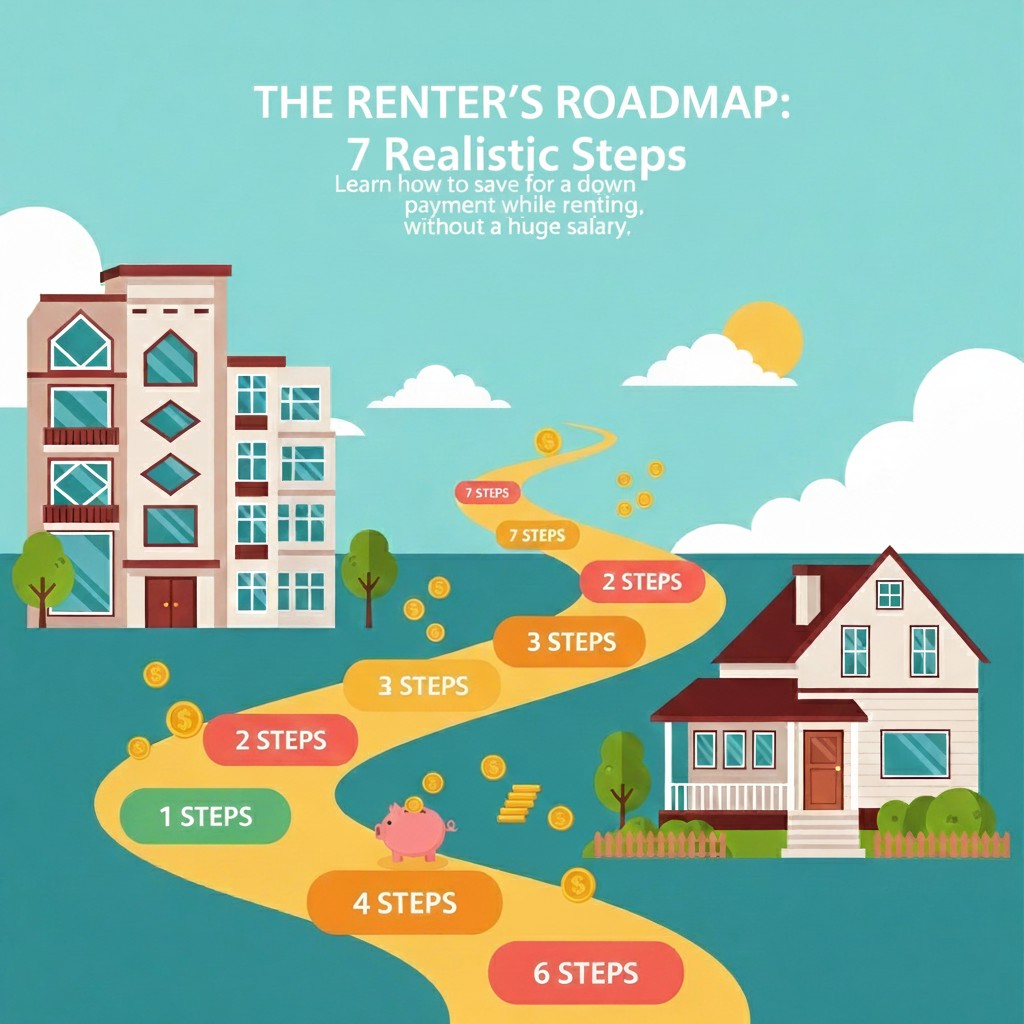
The dream of homeownership can feel distant when you’re watching a significant portion of your paycheck go directly to your landlord. The relentless cycle of high rent can make saving for a substantial goal like a house down payment seem like an uphill battle. But what if the path to owning your own home wasn’t a sprint for the wealthy, but a marathon of smart, strategic steps accessible to everyone? This is not a story of financial windfalls; it’s a roadmap for the determined renter.
The Mindset Shift: From Renter to Future Owner
Before we dive into the numbers, the most critical step is a psychological one. You must begin to see your savings not as a restriction, but as an investment in your future self. Every dollar you set aside is a vote for your future home. According to a 2023 report from the National Association of Realtors, first-time buyers made up 32% of all home buyers, proving that breaking into the market is still very much a reality. [External Link: National Association of Realtors 2023 Report]
Step 1: Deconstruct Your Finances – The Adjusted 50/30/20 Rule
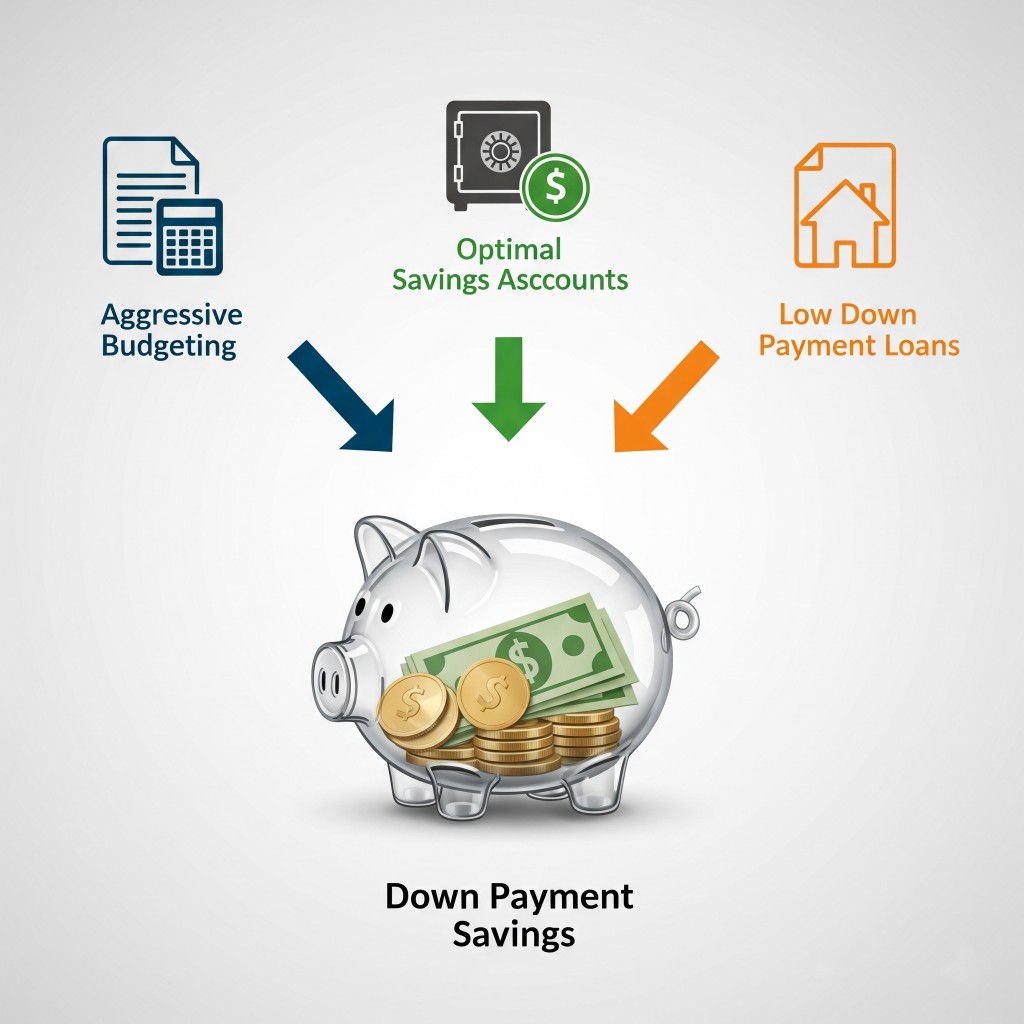
The classic 50/30/20 budget (50% needs, 30% wants, 20% savings) often fails renters in high-cost-of-living areas. We need a more aggressive approach. Let’s call it the 50/20/30 Rule for Future Homeowners.
- 50% Needs: Rent, utilities, groceries, transportation. This is largely fixed.
- 20% Wants: Dining out, entertainment, hobbies. This is your primary area for cuts.
- 30% Aggressive Savings: This entire portion is dedicated to your down payment fund.
“It’s a common misconception that you need a six-figure salary. What you truly need is a disciplined budget and a clear goal,” notes a senior analyst from The Urban Institute.
Step 2: Automate Your Savings Engine
Willpower is a finite resource. Do not rely on it. The moment your paycheck hits your account, have a portion automatically transferred to a separate savings account. This “pay yourself first” method is the single most effective trick to consistent saving. You can’t spend what you don’t see.
Step 3: Choose the Right Vehicle for Your Savings
Your down payment fund should not be sitting in a standard savings account earning 0.01% interest. It needs to be working for you, even as you save. Consider these options:
- High-Yield Savings Accounts (HYSAs): Offering interest rates significantly higher than traditional accounts, HYSAs are liquid, safe (FDIC-insured), and the standard choice for most savers.
[CHART: Comparison of Average Interest Rates: Traditional Savings vs. HYSA vs. 2-Year CD over 36 months]
Step 4: The “Side-Hustle” Accelerator
Even a small boost in income can dramatically shorten your savings timeline. This isn’t about building a second career. It’s about monetizing a few hours a week. Think freelance writing, graphic design, consulting, or even local services. A supplementary income of just $300 a month translates to an extra $3,600 a year towards your goal.
Step 5: Master the Art of the “No-Spend” Month
Challenge yourself to a “no-spend” month once or twice a year. This doesn’t mean you spend nothing, but that you eliminate all non-essential spending. It’s a financial reset that can supercharge your savings and, more importantly, reveal your true spending habits.
Step 6: Demystify Low-Down-Payment Mortgages
The 20% down payment myth is one of the biggest psychological barriers. Many renters believe they need to save $100,000 for a $500,000 home, which feels impossible. The reality is far more encouraging. Look into these government-backed programs:
- FHA Loans: Backed by the Federal Housing Administration, these loans allow for down payments as low as 3.5%. [Internal Link: Guide to FHA Loans for First-Time Buyers]
- VA Loans: For eligible veterans, active-duty service members, and surviving spouses, these loans often require no down payment at all.
- USDA Loans: For buyers in eligible rural areas, these also offer a no-down-payment option.
Step 7: The Annual “Goal Audit”
Once a year, sit down and review your progress. Did you meet your savings goal? Can you increase your automatic transfer? Has your income changed? This is also the time to re-evaluate the housing market in your target area. An annual audit keeps you engaged and allows you to make course corrections, ensuring your roadmap stays relevant.
Conclusion: Your Future Front Door
Saving for a down payment while renting is a testament to financial discipline and long-term vision. It requires a strategic plan, consistent execution, and the belief that your goal is attainable. By adjusting your budget, automating your savings, and leveraging the right financial tools and loan products, you are not just paying rent; you are building a bridge to your future home. The keys are within your reach.
This article is for informational purposes only and should not be considered financial advice.