Will the Government Shutdown Crash the Stock Market? A Historical Analysis for Investors
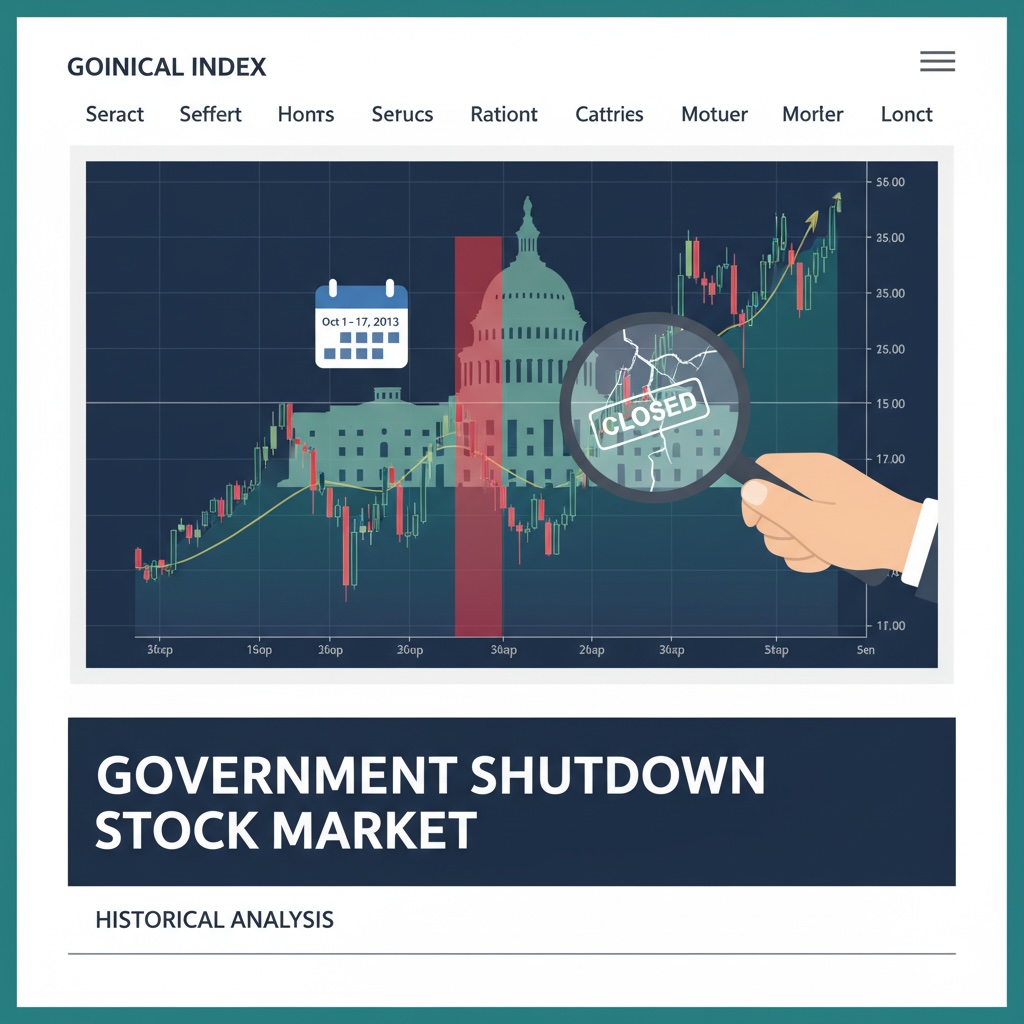
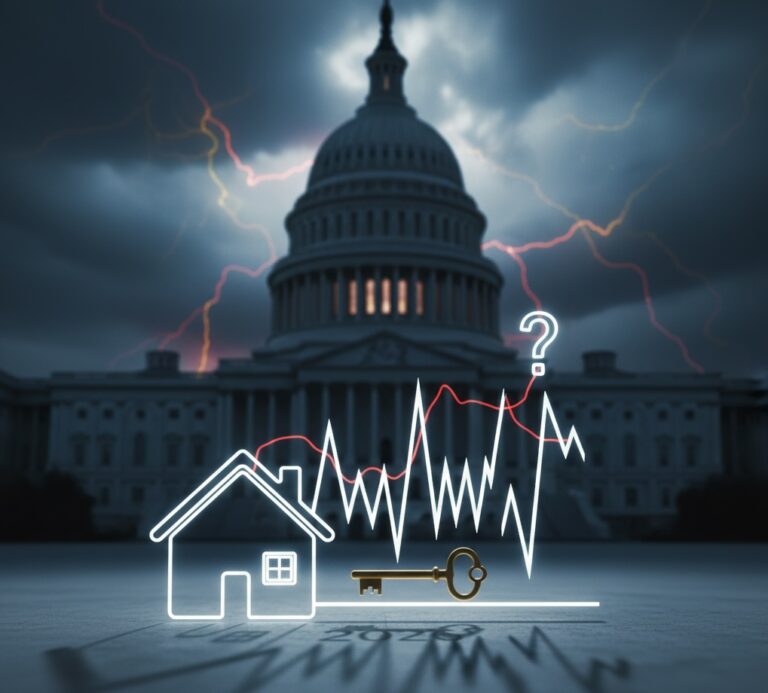
The headlines are growing louder, laced with urgent terms like “impasse,” “stalemate,” and “imminent shutdown.” For investors, these words can trigger a familiar anxiety, painting a mental picture of government chaos spilling into the financial markets. The core fear is simple and visceral: will a government shutdown in Washington D.C. tank your portfolio? Before you consider a flight to the perceived safety of cash, history offers a surprisingly calm and data-driven perspective. The relationship between political theater and market performance is not what you might think, and understanding it is the key to navigating the noise.
The Anatomy of a Shutdown: More of a Pause Than a Panic
First, let’s demystify what a U.S. government shutdown actually is. In essence, it’s a temporary funding gap. Think of it like a large household where the members can’t agree on a budget for the upcoming month. Until they do, all non-essential spending stops.
In the context of the U.S. government, Congress is responsible for passing appropriations bills to fund federal agencies. If they fail to pass these bills by the deadline, non-essential federal operations are temporarily halted. This means national parks close, some federal employees are furloughed, and administrative services slow down. However, essential services—like national security, air traffic control, and, crucially for retirees, Social Security payments—continue without interruption. This distinction is the first clue as to why a shutdown isn’t an automatic economic catastrophe. It’s a serious disruption, but it’s not a complete halt of the U.S. economy.
The Fear vs. The Data: A Tale of Two Shutdowns
The logical leap many investors make is that government dysfunction must equal market decline. It feels intuitive. Yet, financial markets, which are relentlessly forward-looking, often tell a different story. Let’s examine the data from two of the most significant shutdowns in recent memory.
1. The 2013 Shutdown (16 days):
In October 2013, a standoff over the Affordable Care Act led to a 16-day shutdown. The prevailing fear was that the political brinkmanship would shatter investor confidence. The reality?
During the 16-day shutdown from October 1st to October 16th, 2013, the S&P 500, a broad measure of the U.S. stock market, actually rose by 3.1%.
Investors who sold on the first day of the shutdown missed out on a notable gain. The market, it turned out, was more focused on underlying corporate earnings and economic data than on the political drama in Washington.
2. The 2018-2019 Shutdown (35 days):
This was the longest shutdown in U.S. history, stretching from just before Christmas 2018 into late January 2019. The market had already been volatile in late 2018 over concerns about Federal Reserve policy. Surely, a record-breaking shutdown would be the final straw. What happened? The market had sold off before the shutdown began, hitting a low on Christmas Eve. As the shutdown dragged on, the market didn’t just stabilize; it rallied powerfully. From the start of the shutdown to its end, the S&P 500 climbed more than 10%.
This historical data reveals a consistent pattern: government shutdowns tend to be a source of short-term volatility, but they are rarely the cause of a sustained market downturn. For a deeper dive into the historical data, the provides comprehensive, non-partisan analysis.
Why Doesn’t the Market Panic? Three Core Reasons
If shutdowns look so chaotic from the outside, why do investors seem to shrug them off over time?
- They Are Political, Not Economic, Crises: Markets are driven by fundamental economic factors: corporate earnings, consumer spending, inflation, and interest rates. A shutdown is a temporary, politically-driven event. It doesn’t typically alter the fundamental earnings power of the companies that make up the stock market. Traders and long-term investors know this and tend to treat shutdowns as “noise” rather than a core “signal.”
- Markets Are Forward-Looking: The possibility of a shutdown is often debated for weeks or months in the media. This gives markets ample time to “price in” the potential disruption. By the time the shutdown actually occurs, it’s often old news for Wall Street. The market has already processed the risk, and its attention has moved on to the next catalyst.
- The Real Economy Keeps Churning: While a prolonged shutdown can have a measurable negative impact on GDP, the vast majority of the U.S. economy—private businesses, state and local governments, and consumer activity—continues. The engine of the economy doesn’t just stop. This underlying resilience provides a floor for investor confidence. If you’re building a portfolio for the next decade, a two-week political squabble is a minor plot point, not the main story. This is a core tenet of .
The Real Danger: Your Reaction
The historical data is clear: the greatest risk to your portfolio during a government shutdown isn’t the shutdown itself. It’s your reaction to it.
Selling your investments in response to scary headlines is a classic behavioral finance trap known as “reacting to noise.” Trying to time the market by selling before a potential dip and buying back “when things are safe” is a losing game.
Think of it this way: attempting to sell during a shutdown and reinvest later is like jumping from a moving train and expecting to hop back on at full speed. It’s far more dangerous, and with a much lower probability of success, than simply staying in your seat and riding out the temporary turbulence.
The investors who are truly successful are those who build a sound investment plan based on their goals and risk tolerance and stick with it through periods of uncertainty.
Conclusion
So, will the next government shutdown crash the stock market? If history is any guide, the answer is a resounding “unlikely.” While the political theater can create unnerving headlines and short-term volatility, it has consistently failed to derail the market’s long-term trajectory.
The ultimate insight for an investor is this: your energy is better spent not on predicting the outcomes of political squabbles, but on building a resilient portfolio and cultivating the discipline to stick to your plan. A government shutdown is a test of that discipline—one that history shows patient, long-term investors will almost always pass.
This article is for informational purposes only and should not be considered financial advice.